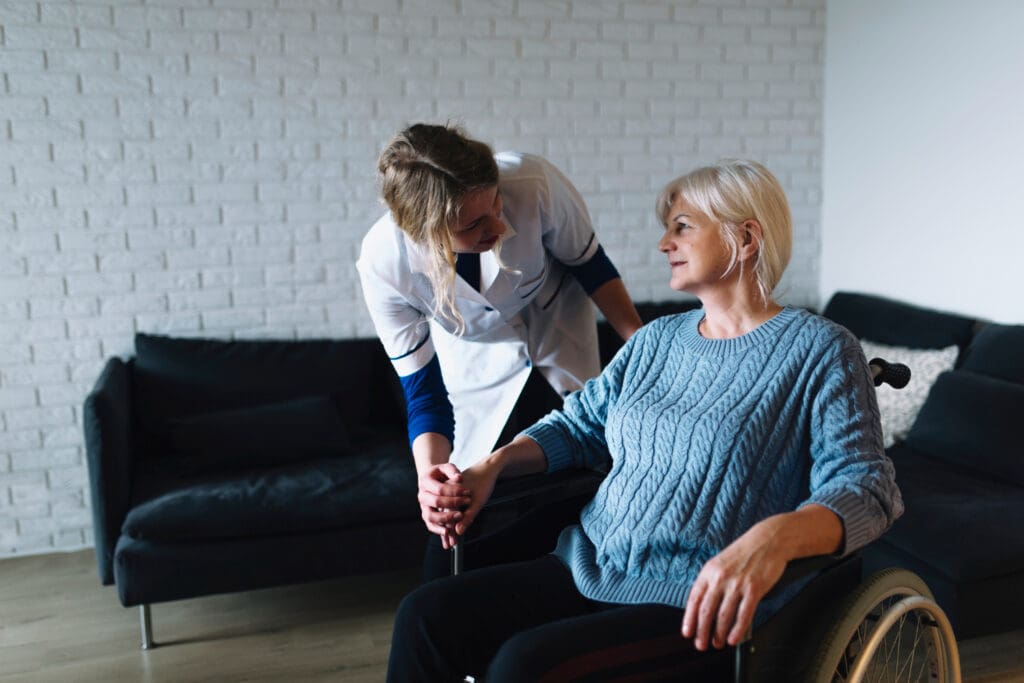
Caring for seniors and individuals with disabilities requires more than just meeting basic needs. Every person has unique challenges, preferences, and goals that demand a tailored approach to care. At Help at Home Senior Care, we understand that a personal care plan is essential for providing effective support, ensuring each individual can thrive while maintaining their independence and dignity.
Why One-Size-Fits-All Solutions Fall Short
Generic care approaches often fail to address the diverse needs of seniors and those with disabilities. For instance, someone living with Parkinson’s disease requires a vastly different level of care than a senior recovering from surgery. A standard care plan might meet some basic needs, but it doesn’t account for the nuanced aspects of a person’s life, such as mobility limitations, medication schedules, or emotional well-being.
When care doesn’t fit, it can feel restrictive—like wearing shoes that are two sizes too small. That’s why a personal care plan makes all the difference. It’s designed to fit perfectly, offering comfort and support where it’s needed most.
Enhancing Quality of Life Through Personalized Care
A personal care plan prioritizes individual needs, ensuring seniors and people with disabilities receive the support necessary to maintain their well-being. By focusing on specific preferences and goals, this tailored approach enhances quality of life.
For example, an individualized plan for a senior with limited mobility might include a mix of physical therapy, safe mobility aids, and support with daily tasks. This attention to detail allows them to remain active and engaged in their own lives, boosting their overall happiness.
At Help at Home Senior Care, we take the time to listen to our clients and their families, understanding their unique circumstances before crafting a plan that enhances both comfort and confidence.
Promoting Greater Independence
A personal care plan empowers individuals to retain as much independence as possible. By focusing on what someone can do rather than what they can’t, these plans build self-esteem and foster a sense of control.
For instance, a care plan for someone with early-stage Alzheimer’s may include reminders for daily routines, structured activities to support memory, and companionship to alleviate loneliness. This approach not only helps them stay active but also gives family members peace of mind, knowing their loved one is thriving in a supportive environment.
At Help at Home Senior Care, our caregivers are trained to follow these personalized plans, recognizing the importance of preserving autonomy. Every small victory—whether it’s preparing a meal or completing a favorite hobby—contributes to a stronger sense of self-worth.
Targeted Strategies for Better Health Outcomes
Health conditions often come with unique challenges that require focused solutions. A personal care plan addresses these needs, offering strategies to manage symptoms, reduce complications, and improve overall health.
For someone with a chronic condition like diabetes, a customized plan might involve meal preparation tailored to dietary restrictions, regular blood sugar monitoring, and medication reminders. These targeted efforts promote physical health while reducing stress for both the individual and their family.
At Help at Home Senior Care, we combine medical expertise with compassionate care, ensuring our clients receive the attention they deserve while maintaining their independence at home.
Bringing Peace of Mind to Families
Families often face uncertainty when seeking care for their loved ones. A personal care plan alleviates this stress by providing clear, tailored solutions that ensure safety, comfort, and dignity.
Knowing that their loved one is receiving individualized care gives families confidence and reassurance. Whether it’s assistance with mobility, specialized Alzheimer’s care, or support for physical disabilities, these plans are crafted with the individual’s unique needs in mind.
At Help at Home Senior Care, open communication with families is a priority, ensuring they remain informed and involved every step of the way.
What Makes a Personal Care Plan Unique
Unlike standardized options, personalized care plans are dynamic. They evolve as needs change, Unlike standardized options, a personal care plan is dynamic. It evolves as needs change, adapting to new health conditions, preferences, or life circumstances. This flexibility ensures that care remains relevant and effective, no matter what challenges arise.
Our experienced caregivers offer support in areas such as:
At Help at Home Senior Care, every aspect of care is tailored to create a seamless experience that prioritizes comfort, health, and independence.
Why Personalized Care is the Future of In-Home Support
The benefits of a personal care plan extend far beyond the individual receiving care. Families, too, experience the relief of knowing their loved one is in good hands. As the demand for in-home care services grows, personalized care will remain at the forefront, setting the standard for quality and compassion.
For residents of Reno and the surrounding areas, Help at Home Senior Care is a trusted partner in creating personalized solutions. Our personal care plans aren’t just about meeting needs—they’re about helping individuals live fulfilling lives in the comfort of their own homes.
Seasonal changes can be a challenging time for dementia and Alzheimer's patients. Time changes, such as daylight saving time, disrupt the body’s natural rhythms, causing confusion and agitation. One of the most common side effects is sundowning dementia, where patients experience increased confusion, anxiety, or agitation in the late afternoon and evening. This shift not only affects patients but also adds stress for caregivers managing these behavioral changes.
Help At Home Senior Care in Santa Rosa offers expert in-home care services designed to support both patients and caregivers during these challenging transitions. By understanding how time changes exacerbate sundowning symptoms and implementing thoughtful strategies, caregivers can ease these transitions and improve the quality of life for everyone involved.
What is Sundowning Dementia
Sundowning, also known as late-day confusion, occurs frequently in individuals with dementia or Alzheimer’s disease. Patients may become agitated, anxious, restless, or confused as the day progresses, often making evenings difficult for both caregivers and patients. Sundowning is particularly pronounced during seasonal changes, as disruptions in light exposure and daily schedules can intensify symptoms.
During transitions like daylight saving time, patients experience heightened stress as the brain struggles to adapt to changes in routine and time. This can lead to disrupted sleep, emotional instability, and increased restlessness, making it essential for caregivers to implement strategies to manage these shifts effectively.
Establishing Consistent Routines for Sundowning Dementia
Routine is crucial for patients with dementia, providing a sense of predictability and security. Help At Home Senior Care emphasizes the importance of structured daily schedules that include meals, light physical activity, and relaxation time. Maintaining consistent routines helps prevent the confusion that arises from sudden changes in daily patterns.
Creating a visual schedule with key activities, such as meals, walks, and quiet time, can also be beneficial. Patients can follow the schedule more easily, reducing anxiety around “what’s next.” Even as time changes occur, keeping a structured routine helps to stabilize emotional and mental well-being.
Gradual Adjustments to Time Changes
Sudden time shifts can disrupt the sleep-wake cycle, leading to increased confusion and agitation. Gradual transitions, such as adjusting bedtimes and mealtimes by 15 minutes over several days, can help patients acclimate more comfortably to changes like daylight saving time. This method eases the adjustment for the brain, helping minimize disruptions in behavior and sleep.
Help At Home Senior Care encourages caregivers to implement small adjustments ahead of the seasonal change, reducing the stress that both patients and caregivers experience. By maintaining familiar rhythms, the negative effects of time changes can be significantly mitigated.
Maximizing Light Exposure for Better Sleep and Mood
Natural light plays an essential role in regulating circadian rhythms. Increased exposure to daylight during the morning and early afternoon can improve mood and encourage better sleep at night. Help At Home Senior Care recommends spending time outdoors or in bright, well-lit spaces to support the patient’s internal clock.
In the evening, soft, dim lighting signals that it’s time to wind down, helping reduce agitation and confusion. Creating a soothing environment with warm lighting can promote a peaceful transition into the evening hours and reduce the likelihood of sundowning episodes.
Creating a Calming Environment
A calm, familiar environment is crucial for dementia patients, especially in the evening when sundowning symptoms are most likely to occur. Small adjustments, such as playing soft music, incorporating familiar objects, or introducing calming scents like lavender, can help create a sense of comfort and security.
Help At Home Senior Care also emphasizes reducing external stimuli in the evening. Minimizing noise, clutter, and bright lights can make the environment less overwhelming, helping patients feel safe and calm. These changes not only benefit the patient but also provide caregivers with a more manageable atmosphere.
How Help At Home Senior Care Supports Families Through Seasonal Changes
Help At Home Senior Care offers a range of services tailored to support dementia patients and their families, especially during seasonal transitions. Their trained caregivers are experienced in identifying and managing sundowning symptoms, ensuring both patients and caregivers feel supported throughout these shifts.
Ongoing caregiver training includes seasonal care strategies, helping caregivers adapt routines to changing light conditions and time shifts. Personalized care plans ensure that patients receive consistent, high-quality care tailored to their individual needs, whether through companionship services, calming activities, or collaborative planning with family members.
Caregivers also work with families to develop individualized care plans that identify specific triggers for sundowning and establish effective strategies to manage these behaviors. Help At Home Senior Care ensures families have the resources and guidance needed to navigate challenging moments, offering crisis support services whenever necessary.
Easing the Seasonal Shift with Help At Home Senior Care
Seasonal changes, particularly time shifts like daylight saving time, present unique challenges for individuals with dementia and Alzheimer’s disease. The increase in sundowning symptoms can disrupt daily life for both patients and caregivers, making it essential to adopt proactive strategies to manage these transitions.
By maintaining consistent routines, adjusting schedules gradually, maximizing light exposure, and creating calming environments, families can reduce the impact of seasonal changes. Help At Home Senior Care is here to support families every step of the way, offering compassionate care and personalized strategies to manage sundowning and other dementia-related challenges.
If you are caring for a loved one with dementia and need support during seasonal transitions, contact Help At Home Senior Care today to explore how we can assist. Our experienced caregivers are ready to provide the guidance and care your family needs during every season.
Understanding the impact of nutrition on cognitive health has never been more critical, especially in the context of dementia care in Reno-Sparks. As we delve into the significance of diet in managing dementia, it becomes clear that what we eat does more than just fuel our bodies; it nourishes our brains and can significantly influence cognitive function and overall well-being.
The Power of Dietary Patterns n Dementia Care Reno-Sparks
Emerging research highlights the protective effects of certain dietary patterns, particularly the Mediterranean and MIND diets, against cognitive decline and dementia. Rich in fruits, vegetables, olive oil, and fish, these diets boast anti-inflammatory and antioxidant properties that not only support physical health but also cognitive resilience (The BMJ) (National Institute on Aging). By incorporating these nutrient-dense foods into daily meals, individuals may lower their dementia risk and slow cognitive decline, emphasizing the importance of dietary choices in maintaining brain health.
DHA: A Double-Edged Sword?
While the benefits of specific nutrients like DHA, found abundantly in fish, have been debated, there's promising evidence to suggest that DHA supplementation could improve clinical dementia ratings and mitigate hippocampal atrophy, particularly in the early stages of cognitive decline (The BMJ). This highlights the nuanced role of nutrition in dementia care, where the effectiveness of certain supplements may vary based on an individual's cognitive status and overall diet.
Ketones: Brain Energy Rescue
One fascinating area of research is the role of ketones in supporting brain health. With aging and conditions like Alzheimer's disease leading to a decrease in brain glucose uptake, ketones offer an alternative energy source that can help maintain cognitive function (The BMJ). Diets that increase ketone levels, such as ketogenic diets, are being explored for their potential to slow the progression of Alzheimer's disease, offering hope for a dietary approach to brain energy rescue.
Observational Studies and Dietary Adherence
Observational studies underscore the connection between adherence to brain-healthy diets and a reduced risk of Alzheimer's, along with a slower rate of cognitive decline (National Institute on Aging). However, the effectiveness of individual foods, vitamins, and supplements in preventing or treating dementia remains an area requiring further research. This uncertainty calls for a balanced diet focused on known brain-healthy nutrients while awaiting more definitive evidence.
Why Professional Caregivers Like Help At Home Prioritize Nutrition
Recognizing the critical role of nutrition in cognitive health, leading dementia trained caregivers, like Help At Home Senior Care in Reno-Sparks, can assist families in making dietary changes to support seniors' cognitive function and overall well-being. By focusing on brain-healthy foods and personalized nutrition plans, caregivers help prepare foods that can ensure that seniors receive the best possible support for their cognitive health.
Empowering Families and Caregivers
For families and caregivers, understanding the link between nutrition and dementia care in Reno-Sparks provides a powerful tool in supporting their loved ones. By assessing and adjusting dietary habits to include more brain-healthy foods, and consulting healthcare providers for personalized advice, families can actively contribute to their loved ones' cognitive well-being.
Embracing Diet in Dementia Management
The connection between nutrition and cognitive health in dementia underscores the need for a holistic approach to care that includes dietary management as a core component. By prioritizing nutrition, trained in-home caregivers with Help At Home Senior Care Reno-Sparks can offer those facing dementia a better quality of life and a brighter outlook on their cognitive journey.
Dementia is a journey that no one chooses, yet many families find themselves navigating its complex path. Understanding the progression of dementia and the corresponding care needs at each stage can be a beacon of light for those feeling lost in the darkness of uncertainty. This guide aims to illuminate the stages of dementia, offering insight into how care requirements evolve, thereby assisting families in making informed decisions about their loved ones' care.
Early Stages: Recognizing the Signs
The journey through dementia often begins subtly, with mild symptoms that may easily be mistaken for normal signs of aging. Memory lapses, difficulties with problem-solving or language, and slight changes in mood or behavior mark this early stage. Individuals may still maintain a degree of independence, yet these initial changes signal the need for a supportive framework that accommodates future care needs. Monitoring and planning become crucial, laying the groundwork for navigating the path ahead.
Middle Stages: Adjusting to Increased Needs
As dementia progresses to the middle stages, the signs become more pronounced. Memory loss deepens, confusion may occur even in familiar settings, and completing daily tasks independently becomes challenging. This stage signifies a pivotal point in the care journey, necessitating adjustments to the living environment to ensure safety and comfort. The role of caregivers becomes more involved, focusing on providing support for daily activities and managing behavioral changes with patience and understanding.
Late Stages: Providing Compassionate Care
In the late stages of dementia, individuals experience a significant decline in cognitive and physical abilities. Communication becomes difficult, and recognizing loved ones may no longer be possible. At this stage, around-the-clock care is essential, emphasizing the importance of compassion and understanding. The focus shifts towards ensuring the dignity of the individual, with support for mobility, hygiene, and nutrition taking precedence.
Adapting to Changing Care Needs
Throughout the journey of dementia, the care needs of individuals will evolve. Early stages may require minimal adjustments, but as the condition progresses, more comprehensive care solutions, such as specialized dementia intensive in-home care services, become necessary. Engaging with healthcare professionals like Help At Home Senior Care to explore the best care options for each stage can help families ensure their loved ones receive the quality care they deserve.
Empowering Families with Knowledge
For families embarking on the dementia care journey, knowledge is power. Understanding the stages of dementia and anticipating how care needs change empowers families to make decisions that enhance the well-being of their loved ones. Help At Home Senior Care in Reno stands ready to guide families through these decisions, offering adaptable care solutions tailored to the unique needs of each individual.
Navigating the journey of dementia is undoubtedly challenging, but with the right information and support, families can navigate this path with confidence and compassion. By recognizing the signs, adjusting care as needed, and partnering with professionals, families can provide their loved ones with the dignity, respect, and quality of life they deserve at every stage of their journey.
Dementia, a complex condition affecting millions worldwide, presents unique challenges not only to those diagnosed but also to their families. As we navigate these challenges, the need for specialized dementia caregivers becomes increasingly apparent. At Help At Home Senior Care in Reno, we understand these challenges intimately and offer compassionate, expert care tailored to meet the individual needs of each client.
Personalized Care Plans
Central to the philosophy of specialized dementia care is the creation of personalized care plans. These plans are crafted with a deep understanding of each patient's history, preferences, stage of dementia, and individual needs. By focusing on the person behind the diagnosis, we ensure that our care is not only effective but also imbued with respect and recognition of each individual's life story and identity. This approach allows us to provide a level of care that goes beyond basic needs, fostering a sense of belonging and respect.
Cognitive Engagement Activities
Another pillar of specialized dementia care is the emphasis on cognitive engagement through activities designed to stimulate the mind and soul. At Help At Home Senior Care, we offer activities geared toward the senior's particular interest as well as memory stimulating games. These activities are not only enjoyable but also crucial in stimulating cognitive functions, providing a sense of joy, purpose, and connection. They are tailored to engage our patients at all stages of dementia, ensuring that everyone can find something that resonates with their interests and abilities.
Trained Staff
The heart of our care lies with our trained staff, whose expertise and dedication are unparalleled. Understanding the complexities of dementia, they are equipped to provide a safe, nurturing environment that minimizes confusion and fosters well-being. Our staff are not just caregivers; they are companions who build trust and form genuine connections with all of the patients, ensuring that their emotional and physical needs are met with compassion and professionalism.
Reader Next Steps
For families navigating the complexities of caring for a loved one with dementia, specialized in-home caregivers offer a beacon of hope. We encourage you to explore the options available, particularly the personalized, compassionate care provided by Help At Home Senior Care in Reno. By simply reaching out and scheduling a consultation, you can learn more about how we tailor our care to meet the unique needs of every one of our patients, ensuring they live a life full of dignity, joy, and connection.
As we continue to face the challenges of dementia together, the role of specialized in-home caregivers becomes ever more critical. By choosing a company that emphasizes personalized care plans, engaging activities, and skilled staff, families can ensure that their loved ones receive the compassionate, expert care they deserve.
The Essential Benefits of In-Home Dementia Care Services in Nevada
Finding the right dementia care for a loved one in Nevada can be an overwhelming process. With the rise in preference for in-home care services, it's crucial to understand how this option could be the most beneficial for your family. This guide delves into the advantages of in-home dementia care services in Nevada, offering a pathway to personalized, compassionate care that honors the dignity and independence of individuals living with dementia.
Tailored Care and Independence
Personalization at Its Core: In-home dementia care services in Nevada stand out for their ability to offer highly personalized care plans. These plans are meticulously tailored to meet the individual's specific needs, preferences, and stage of dementia, ensuring a level of care that genuinely resonates with the patient's life. Personal caregivers can focus on medication management, engagement in cognitive-enhancing activities, and assistance with daily living activities, all within the familiar environment of home. This one-on-one attention not only fosters a stronger caregiver-patient bond but also significantly contributes to maintaining the individual's independence.
Promoting Independence: The comfort of being at home, coupled with the personalized care received, greatly promotes the independence of individuals with dementia. The familiar surroundings can help reduce confusion and agitation, common in those affected by dementia, while the tailored support encourages participation in daily routines and activities. This approach not only enhances the quality of life but also supports the mental and emotional well-being of individuals with dementia.
Cost-Effectiveness and Family Involvement
Affordability: One of the compelling reasons families opt for in-home care is its cost-effectiveness compared to traditional residential care facilities. The flexibility of services—ranging from a few hours a day to round-the-clock care—allows families to manage care within their budgets without compromising the quality of care their loved ones receive.
Enhanced Family Involvement: In-home care offers families the unique opportunity to be directly involved in the care process. From selecting the right caregiver to being a part of care planning and daily activities, family members can ensure that their loved one's care aligns with their expectations and preferences. This involvement not only empowers families but also reinforces the support system surrounding the individual with dementia.
Comprehensive Care and Support
A Spectrum of Services: Nevada's in-home care providers offer an extensive range of services to cover every aspect of dementia care. Specialized services cater to the unique challenges of dementia, ensuring comprehensive support that encompasses not just physical health but also emotional and psychological well-being.
Access to Financial Assistance: Understanding the financial aspect of in-home dementia care is crucial. Nevada offers various financial assistance options, including Medicaid for eligible individuals, to help cover the costs of in-home care. Additionally, other programs and resources are available to assist with healthcare costs, home modifications, and more, making in-home care a viable option for many families.
Moving Forward
Selecting the right dementia care option is a significant decision that impacts the entire family. By considering in-home care services, you're opting for a solution that offers personalized care, maintains independence, and respects the dignity of your loved one. If you're navigating this decision-making process, we encourage you to reach out to Help At Home Senior Care for a consultation. Our team is dedicated to guiding you through the options and tailoring our services to meet the unique needs of your loved one.