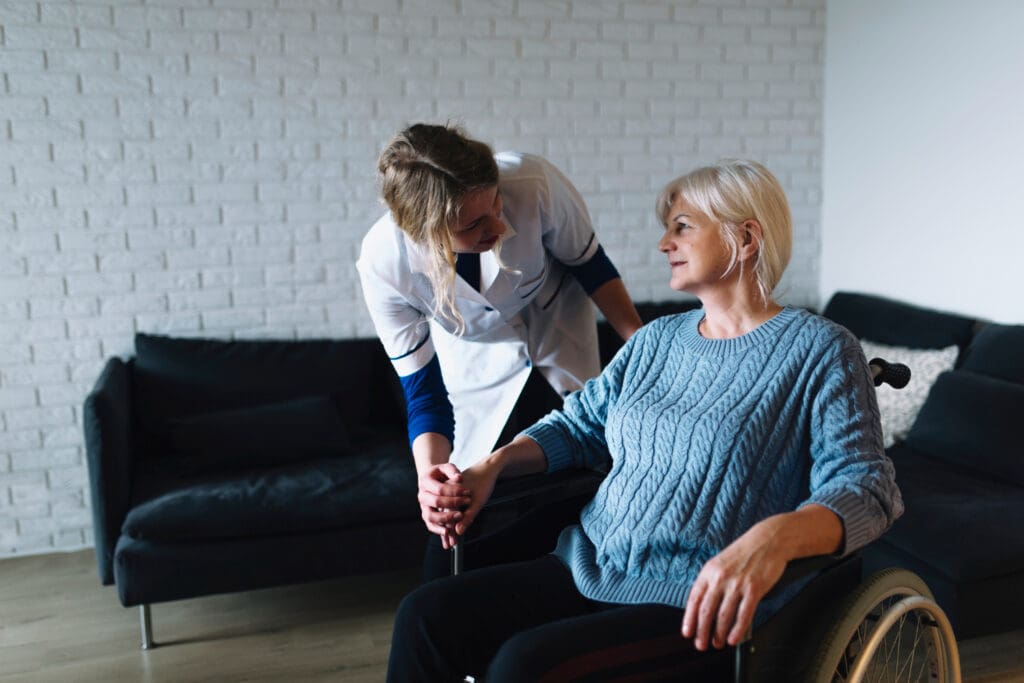
Caring for seniors and individuals with disabilities requires more than just meeting basic needs. Every person has unique challenges, preferences, and goals that demand a tailored approach to care. At Help at Home Senior Care, we understand that a personal care plan is essential for providing effective support, ensuring each individual can thrive while maintaining their independence and dignity.
Why One-Size-Fits-All Solutions Fall Short
Generic care approaches often fail to address the diverse needs of seniors and those with disabilities. For instance, someone living with Parkinson’s disease requires a vastly different level of care than a senior recovering from surgery. A standard care plan might meet some basic needs, but it doesn’t account for the nuanced aspects of a person’s life, such as mobility limitations, medication schedules, or emotional well-being.
When care doesn’t fit, it can feel restrictive—like wearing shoes that are two sizes too small. That’s why a personal care plan makes all the difference. It’s designed to fit perfectly, offering comfort and support where it’s needed most.
Enhancing Quality of Life Through Personalized Care
A personal care plan prioritizes individual needs, ensuring seniors and people with disabilities receive the support necessary to maintain their well-being. By focusing on specific preferences and goals, this tailored approach enhances quality of life.
For example, an individualized plan for a senior with limited mobility might include a mix of physical therapy, safe mobility aids, and support with daily tasks. This attention to detail allows them to remain active and engaged in their own lives, boosting their overall happiness.
At Help at Home Senior Care, we take the time to listen to our clients and their families, understanding their unique circumstances before crafting a plan that enhances both comfort and confidence.
Promoting Greater Independence
A personal care plan empowers individuals to retain as much independence as possible. By focusing on what someone can do rather than what they can’t, these plans build self-esteem and foster a sense of control.
For instance, a care plan for someone with early-stage Alzheimer’s may include reminders for daily routines, structured activities to support memory, and companionship to alleviate loneliness. This approach not only helps them stay active but also gives family members peace of mind, knowing their loved one is thriving in a supportive environment.
At Help at Home Senior Care, our caregivers are trained to follow these personalized plans, recognizing the importance of preserving autonomy. Every small victory—whether it’s preparing a meal or completing a favorite hobby—contributes to a stronger sense of self-worth.
Targeted Strategies for Better Health Outcomes
Health conditions often come with unique challenges that require focused solutions. A personal care plan addresses these needs, offering strategies to manage symptoms, reduce complications, and improve overall health.
For someone with a chronic condition like diabetes, a customized plan might involve meal preparation tailored to dietary restrictions, regular blood sugar monitoring, and medication reminders. These targeted efforts promote physical health while reducing stress for both the individual and their family.
At Help at Home Senior Care, we combine medical expertise with compassionate care, ensuring our clients receive the attention they deserve while maintaining their independence at home.
Bringing Peace of Mind to Families
Families often face uncertainty when seeking care for their loved ones. A personal care plan alleviates this stress by providing clear, tailored solutions that ensure safety, comfort, and dignity.
Knowing that their loved one is receiving individualized care gives families confidence and reassurance. Whether it’s assistance with mobility, specialized Alzheimer’s care, or support for physical disabilities, these plans are crafted with the individual’s unique needs in mind.
At Help at Home Senior Care, open communication with families is a priority, ensuring they remain informed and involved every step of the way.
What Makes a Personal Care Plan Unique
Unlike standardized options, personalized care plans are dynamic. They evolve as needs change, Unlike standardized options, a personal care plan is dynamic. It evolves as needs change, adapting to new health conditions, preferences, or life circumstances. This flexibility ensures that care remains relevant and effective, no matter what challenges arise.
Our experienced caregivers offer support in areas such as:
At Help at Home Senior Care, every aspect of care is tailored to create a seamless experience that prioritizes comfort, health, and independence.
Why Personalized Care is the Future of In-Home Support
The benefits of a personal care plan extend far beyond the individual receiving care. Families, too, experience the relief of knowing their loved one is in good hands. As the demand for in-home care services grows, personalized care will remain at the forefront, setting the standard for quality and compassion.
For residents of Reno and the surrounding areas, Help at Home Senior Care is a trusted partner in creating personalized solutions. Our personal care plans aren’t just about meeting needs—they’re about helping individuals live fulfilling lives in the comfort of their own homes.
The journey from hospital discharge to home recovery is a critical time for seniors and their families. Navigating this transition effectively can significantly impact the senior's rehabilitation and overall well-being. This guide aims to provide families with practical advice on ensuring a smooth transition from hospital to in-home care for their elderly loved ones, with a special focus on the role of home care services in supporting recovery.
Understanding the Discharge Process
The discharge process marks the beginning of the transition from hospital to home care. Clear communication with healthcare providers is essential to understand the senior's post-discharge needs, including medications, therapy requirements, and necessary follow-up appointments. It's crucial to ask questions and ensure you have all the necessary information to continue care at home effectively.
Families should also inquire about any potential complications or warning signs to watch for, ensuring they are prepared to respond promptly if the senior's condition changes. This proactive approach helps in anticipating and addressing needs, reducing the risk of re-hospitalization.
Preparing the Home Environment
Creating a safe, accessible, and comfortable home environment is paramount for a senior's return. Simple modifications, such as installing grab bars in the bathroom, ensuring ample lighting, and removing trip hazards, can make a significant difference in preventing falls and facilitating mobility.
Consider the layout of the living space and make necessary adjustments to accommodate medical equipment or mobility aids. The goal is to create an environment that supports the senior's independence while ensuring their safety and comfort.
The Role of Professional Home Care Services
Professional home care services can be invaluable in supporting seniors during their recovery at home. Skilled caregivers can assist with personal care needs, reminders, mobility support, and monitoring for health changes or complications. These services are tailored to the individual's specific needs, providing a level of personalized care that greatly enhances the recovery process. Our portal effectively facilitates the sharing of daily notes from caregivers with family members or healthcare professionals such as doctors, hospice staff, and home health aides.
This system keeps all involved parties well-informed about the caregiving process. Additionally, the portal provides access to the caregivers' schedule, detailing their upcoming visits with specific dates and times. Help At Home Senior Care in Reno offers such personalized care plans, ensuring that seniors receive the support they need to recover comfortably and safely at home. Their professional caregivers are trained to address the unique needs of each senior, making the transition from hospital to home care as smooth as possible.
Emotional and Social Support Needs
The transition from hospital to home is not only physical but also psychological. Seniors may experience feelings of vulnerability, frustration, or loneliness during their recovery. Providing emotional support, facilitating social interactions, and encouraging engagement in enjoyable activities can significantly boost their morale and mental well-being. Families should ensure that their loved ones have opportunities for social engagement and activities that bring them joy, whether it's through visits from friends and family, engaging in hobbies, or participating in community events.
Conclusion
The transition from hospital to home care for seniors requires careful planning, communication, and support. By understanding the discharge process, preparing the home environment, utilizing professional home care services, and addressing emotional and social needs, families can ensure a smooth and effective transition for their senior loved ones. Help At Home Senior Care in Reno is here to support you through this process, offering personalized care plans designed to meet the unique rehabilitation and recovery needs of seniors.
Transitioning from a hospital stay back to the comfort of home requires careful planning and support, especially for our senior loved ones. Understanding the post-hospital care needs of seniors is crucial in ensuring their recovery and ongoing well-being. In this article, we'll delve into the common care requirements following hospitalization and how home care services, particularly those provided by Help At Home Senior Care in Reno, can meet these needs effectively.
Seamless Transition from Hospital to Home
The journey from hospital discharge to home recovery is a critical period for seniors. Ensuring a seamless transition involves coordination among healthcare providers, the patient, and the home care team. This collaboration is essential for maintaining continuity of care and adhering to the post-discharge plan. It's not just about getting back home; it's about making sure that the recovery process continues without interruption, reducing the risk of re-hospitalization.
Tailoring home care services to each individual's needs begins with a thorough understanding of their specific situation. Whether it's adjusting the home environment for safety or coordinating with medical professionals, every detail counts. Help At Home Senior Care specializes in creating a personalized care plan that addresses these pivotal aspects, ensuring a smooth transition for your senior family member.
Comprehensive Assessments for Tailored Care
Once at home, the need for a comprehensive assessment becomes apparent. Home care professionals play a vital role in identifying the specific requirements of seniors post-hospitalization. This assessment might include adherence to your doctor's physical therapy exercises and orders, the need for transfers and mobility assistance for increased safety from reinjury, and medication reminders.
Our portal enables seamless sharing of caregivers' daily notes with families or medical providers, including doctors, hospice, and home health services. This feature ensures that all parties are kept up-to-date on the care being provided. Additionally, the portal provides visibility into the caregivers' schedules, showing the specific dates and times they are expected to be present.
It's this level of personalized attention that sets specialized home care services apart. Help At Home Senior Care's team of professionals uses these assessments to craft care plans that not only aid in physical recovery but also support the overall health and happiness of seniors in their care.
Personal Care and Daily Living Support
Recovering at home often means needing assistance with daily living activities that many of us take for granted. Personal care support, including help with bathing, dressing, meal preparation, and mobility, plays a significant role in creating a conducive environment for recovery. These services not only cater to the physical needs of seniors but also uphold their dignity and independence during vulnerable times.
Moreover, the familiar surroundings of home, coupled with professional care, can significantly enhance the healing process. Help At Home Senior Care ensures that each client receives the respectful and compassionate assistance they deserve, making recovery at home a positive and comfortable experience.
Emotional Support and Engagement
Recovery isn't solely a physical process; the psychological and emotional aspects are equally important. Post-hospital care should include emotional support and opportunities for social and recreational activities. Companionship services, in particular, can help seniors cope with the emotional impacts of illness and hospitalization, offering not just care but a friendly presence and a listening ear.
Help At Home Senior Care places a strong emphasis on the holistic well-being of seniors, incorporating activities and support that cater to their emotional and social needs. This approach not only aids in recovery but also enhances the overall quality of life, making each day more enjoyable and fulfilling.
Conclusion
Understanding and addressing the post-hospital care needs of seniors is essential for their recovery and long-term health. Tailored home care services, like those offered by Help At Home Senior Care in Reno, provide the comprehensive support needed to navigate this critical phase successfully. If you're evaluating post-hospital care options for a senior family member, consider reaching out to Help At Home Senior Care for a personalized consultation. Together, we can ensure that your loved one's transition from hospital to home is smooth, supportive, and centered on their well-being.